About Cage Vertical Tester
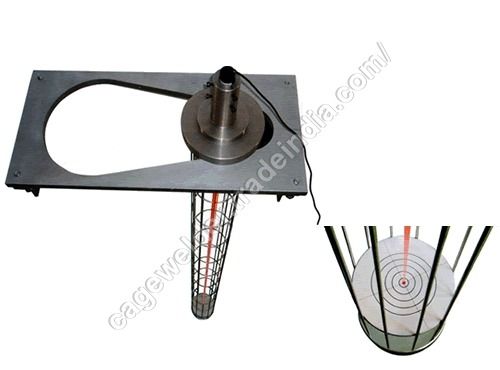
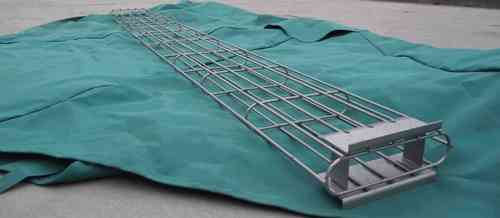
Cage Vertical Tester.
We have the acumen and experience to manufacture, supply and export Cage Vertical Tester. Made of high quality raw materials and components that are supposed to be the best in the market, these products do not falter at the time of operation. Checked to ensure their optimum performance, these products have flawless operation and functionality. Keeping in mind the diversified needs of the clients, we offer Cage Vertical Tester in different specifications.
Features:
- Longer service life
- Less maintenance
- High strength
- Resistance against corrosion
Specifications:
-
Model: LVV
- Portable device used to test cage verticality
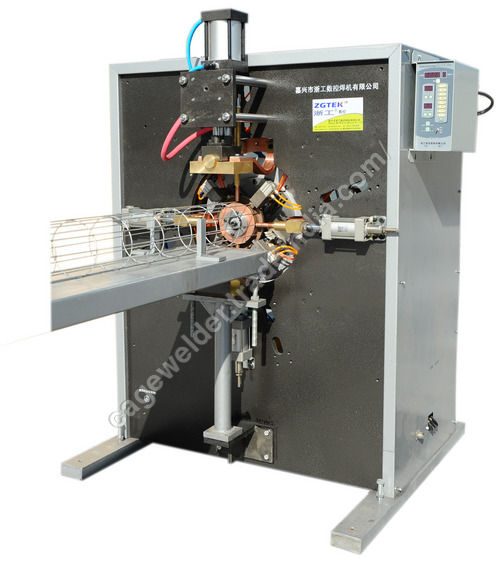
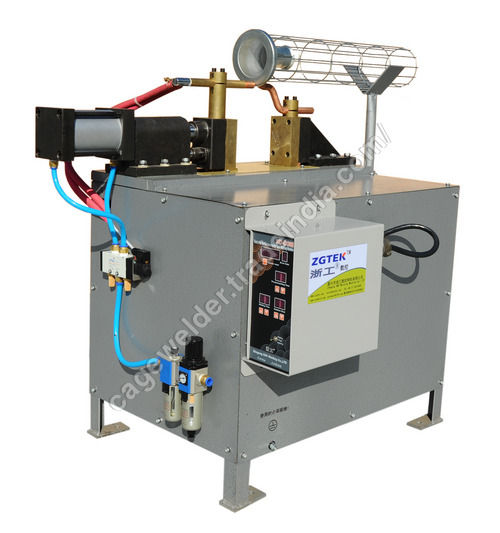
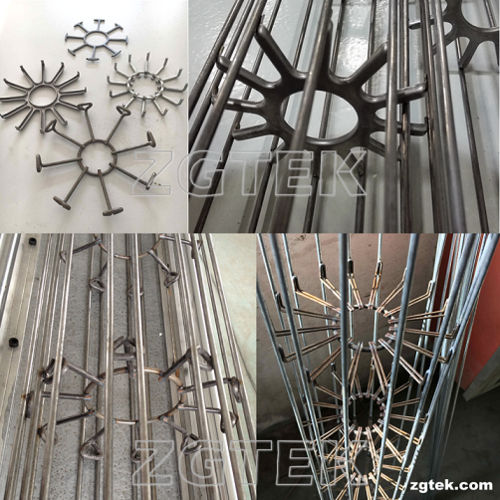
Filter Cages - round, star, oval, flat, peanut, spider and other odd shapes, with different connections, all can be customized.
Round cage size: OD100-200mm
Material: Mild steel wire, Stainless steel wire, Galvanized carbon steel wire, Titanium steel wire, etc.
Sizes of steel wire: 2.8-6mm
Reliable Vertical Testing SolutionEngineered for precision, this Vertical Tester provides an efficient way to perform vertical load tests on elevator cages. Its sturdy construction and semi-automatic operation ensure consistent performance in manufacturing, maintenance, and quality control environments. The device is ideal for both routine checks and comprehensive inspections.
Energy-Efficient OperationWith low power consumption and a single-phase AC motor, the Cage Vertical Tester is cost-effective and eco-friendly. Adjustable output voltage gives users control over test parameters, ensuring compatibility with various testing requirements. Its 1 HP motor delivers reliable power for demanding industrial applications.
Designed for Versatility and SafetyCrafted from high-quality mild steel, this testing equipment offers durability and longevity. Its dimensions provide an optimal balance between workspace efficiency and operational safety. Suitable for use by manufacturers, exporters, importers, suppliers, and traders, particularly in the China market and beyond.
FAQs of Cage Vertical Tester:
Q: How does the Cage Vertical Tester operate for elevator cage testing?
A: The Cage Vertical Tester functions by applying vertical loads to elevator cages using its semi-automatic mechanism. Users simply position the cage or component within the tester, adjust relevant parameters such as output voltage, and start the test. The AC motor delivers smooth operation for accurate load assessment.
Q: What are the primary applications of this Vertical Tester?
A: This equipment is mainly used for testing elevator cages and vertical loading scenarios in manufacturing, maintenance, and quality assurance environments. Its versatility makes it suitable for any application where vertical load integrity must be verified.
Q: When should this equipment be utilized within the workflow?
A: The Cage Vertical Tester should be employed during product development, routine maintenance, quality control checks, or before installation of elevator cages to ensure compliance with required safety and quality standards.
Q: Where is the Cage Vertical Tester typically installed or used?
A: It is commonly installed in industrial workshops, manufacturing plants, and quality control labs. Its compact size makes it adaptable for various settings without requiring extensive floor space.
Q: What is the process for adjusting the output voltage on this tester?
A: Output voltage can be adjusted using the integrated control panel, allowing users to match specific test criteria. This adaptability ensures accurate simulation of real-world vertical load conditions during testing.
Q: Does the tester offer any notable benefits over alternative solutions?
A: Yes, this tester combines robust mild steel construction, low power consumption, easy operation, and adjustable output, delivering reliability and long-term value, while reducing operational costs and ensuring safety.
Q: How energy-efficient is the equipment during prolonged operation?
A: Thanks to its low power consumption and efficient AC motor, the Cage Vertical Tester remains energy-efficient even during continuous use, contributing to lower utility costs and improved sustainability within your facility.





 Send Inquiry


 Send Inquiry